
Roof Leaks in Tampa: Common Causes and Warning Signs

Roof leaks in Tampa often start with damaged flashing, failing pipe boots, cracked shingles, slipped tiles, skylight seals, clogged gutters, roof vent problems, or storm damage. Tampa’s heavy rain, high humidity, Florida heat, and wind-driven storms can turn small roof problems into hidden water damage fast.
If you already see ceiling stains, attic moisture, dripping water, or damp drywall, VNPS Roofing provides roof leak repair in Tampa for shingle, tile, metal, and flat roofing systems. Our licensed and insured team checks the roof, identifies the likely source, and explains whether you need repair, emergency roof tarping in Tampa, or a larger roofing solution.
Quick Answer: Why Is My Roof Leaking in Tampa?
Tampa roof leaks often start when heavy rain, humidity, heat, and storm winds wear down vulnerable parts of the roof.
Here’s what homeowners should know:
- Leaks often start around roof details: Pipe boots, flashing, skylights, vents, valleys, and roof edges are common trouble spots.
- Storm damage can open the roof system: Missing shingles, slipped tiles, punctures, and lifted materials can let water in during the next rain.
- Clogged gutters can make roof leaks worse: Blocked gutters and valley debris can push water toward fascia, soffits, shingles, tiles, or roof edges.
- Flat roofs need drainage checked: Worn seams, punctures, membrane damage, and ponding water can all lead to leaks.
- The stain may not show the true source: Water can travel along decking, rafters, insulation, or framing before it appears inside the home.
- Early repair matters: A small leak can spread into the attic, insulation, drywall, and roof decking if it’s left unresolved.
What Tampa Homeowners Should Do First
Tampa homeowners should respond to a roof leak based on what they can safely see from inside the home and from the ground.
- If water is actively dripping: Move belongings away from the leak, contain the water if it is safe to do so, and call a roofer. Emergency tarping may be needed if the roof has an exposed area.
- If you see a ceiling stain: Do not assume the stain is directly below the roof damage. Water can travel along decking, rafters, insulation, or framing before it shows up inside.
- If gutters are overflowing: Have the roof edge, fascia, soffit, and drainage path checked. Clogged gutters can push water into areas that should stay dry.
- If storm damage is visible from the ground: Do not climb onto the roof. Missing shingles, cracked tiles, soft decking, and wet surfaces can be unsafe.
- If the leak keeps coming back: A repeat leak may point to flashing, underlayment, roof valley, flat roof membrane, or drainage problems that need a closer inspection.
Why Roof Leaks Are Common in Tampa’s Climate
Roof leaks are common in Tampa because local roofs deal with heat, humidity, heavy rain, tropical storms, and wind-driven water throughout the year. These conditions can wear down sealants, loosen flashing, lift shingles, shift tiles, and make small weak spots easier for water to enter.
The National Weather Service Tampa Bay identifies Florida’s rainy season as a period when storms and heavy rainfall can create repeated drainage and leak risks for local roofs. For Tampa homes, repeated rain can push water into small gaps around vents, skylights, shingles, tiles, valleys, and roof edges.
Small problems are often easier to fix early, but they can become more expensive if water reaches the attic, decking, insulation, or interior walls.
Common Causes of Roof Leaks in Tampa
Roof leaks in Tampa usually come from vulnerable roof details, not one obvious hole. VNPS Roofing checks flashing, pipe boots, shingles, tiles, skylights, gutters, valleys, vents, underlayment, flat roof seams, and storm-damaged areas to find where water is getting in.
Pipe Boots, Vent Boots, and Roof Vent Failures
Pipe boots, vent boots, and roof vents seal openings where pipes or vents pass through the roof. Tampa heat, heavy rain, and age can wear down rubber collars, loosen sealants, or create gaps around these roof penetrations.
When one of these areas fails, rainwater can enter around the pipe or vent and move into the attic. This type of problem may show up near a bathroom, laundry room, hallway, ceiling vent, or nearby interior wall.
Damaged Flashing Around Chimneys, Walls, Vents, and Skylights
Flashing protects the places where the roof meets another surface, such as a chimney, wall, vent, skylight, valley, or roof edge. When this protective material cracks, rusts, lifts, separates, or pulls away, water can enter during heavy rain.
These areas can be especially vulnerable after storms because wind-driven rain can push water into small openings. A roofer may need to inspect the flashing and nearby materials to find the true source.
Missing, Lifted, or Damaged Shingles
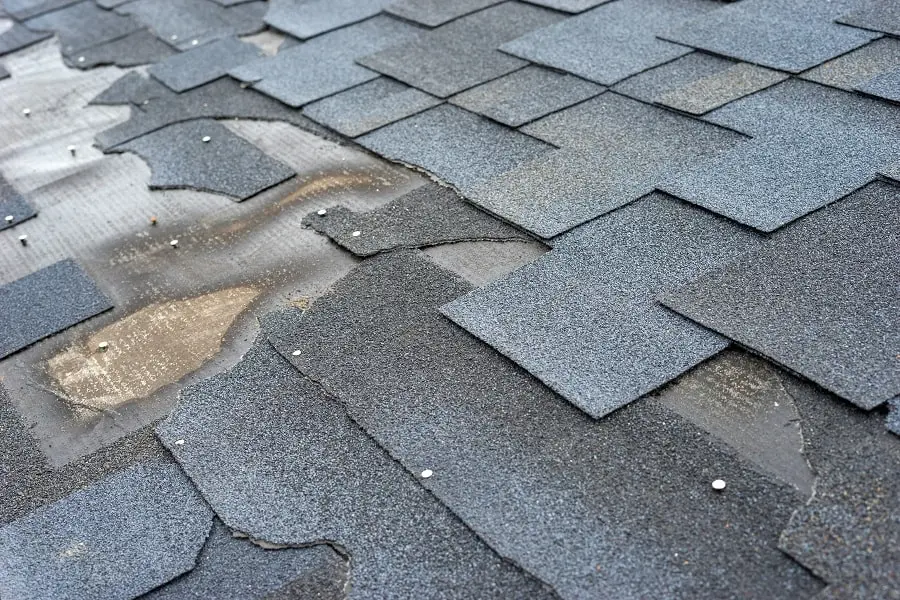
Missing, lifted, curled, or cracked shingles can expose the roof system beneath. Once the underlayment or decking is exposed, rain can move below the shingles and damage the layers underneath.
Tampa storms, falling branches, heat, and age can all damage asphalt shingles. If you see shingles in the yard, dark patches on the roof, loose edges, or missing sections after a storm, the roof should be checked before the next heavy rain.
Cracked, Slipped, or Missing Roof Tiles
Cracked, slipped, or missing roof tiles can allow water to reach the underlayment beneath. Tile roofs depend on both the tile surface and the underlayment below, so one damaged area can create a path for water.
Concrete, clay, barrel, and mission tile roofs can shift during storms or crack from impact. If water appears inside the tile-roofed home, the source may be a cracked tile, worn underlayment, failed flashing, or a valley issue.
Skylight Seal and Flashing Problems
Skylight problems often happen when seals, flashing, gaskets, or surrounding roof materials fail. Water may enter around the skylight frame and show up as staining, dripping, bubbling paint, or damp drywall near the opening.
A skylight issue does not always mean the skylight itself has failed. The problem may come from the seal, nearby roofing materials, roof tiles, or the roof area above the skylight.
Clogged Gutters and Roof Valley Debris
Clogged gutters can force water to back up along the roof edge instead of draining away from the home. Leaves, branches, roof granules, and storm debris can block water flow and push moisture into fascia, soffit, shingles, or roof edges.
Roof valleys can also collect debris. When water cannot move through a valley properly, it may back up under shingles or tiles and find a path into the roof system.
Flat Roof Membrane and Drainage Issues
Flat roofs can develop problems when seams, drains, flashing, penetrations, or membrane areas fail. Ponding water, storm debris, punctures, and worn seams can allow water to reach the roof deck.
If your flat roof keeps having problems in the same area, the problem may involve drainage, membrane wear, flashing, or a failed repair area. VNPS Roofing can check whether the issue is isolated or part of a larger flat roof problem.
Worn Underlayment and Age-Related Roof Wear
Worn underlayment can allow water to reach the roof deck even when the surface materials look mostly intact. Underlayment sits beneath shingles or roof tiles, and can weaken from age, heat, storm exposure, or repeated moisture.
Older roofs may also have brittle shingles, loose fasteners, aging sealants, or flashing problems in more than one area. An aging roof does not always need replacement, but repeated problems should be inspected before the damage spreads.
Storm-Related Punctures and Openings
Storm-related punctures can happen when flying debris, fallen branches, or wind-damaged materials open part of the roof system. Even a small opening can let water enter during the next heavy rain.
After a storm, property owners should look from the ground for missing shingles, cracked tiles, loose materials, debris on the roof, or visible openings. Do not climb onto the roof yourself, especially if the surface is wet or damaged.
Attic Condensation and Moisture That Looks Like a Roof Leak
Attic condensation can sometimes look like a roofing problem or make water-related issues worse. Poor ventilation, blocked vents, HVAC issues, or high humidity may create damp insulation, musty smells, or staining.
A roof inspection can help determine whether water is entering through the roof system or whether the moisture may be related to ventilation, insulation, or HVAC conditions.
Warning Signs of a Roof Leak
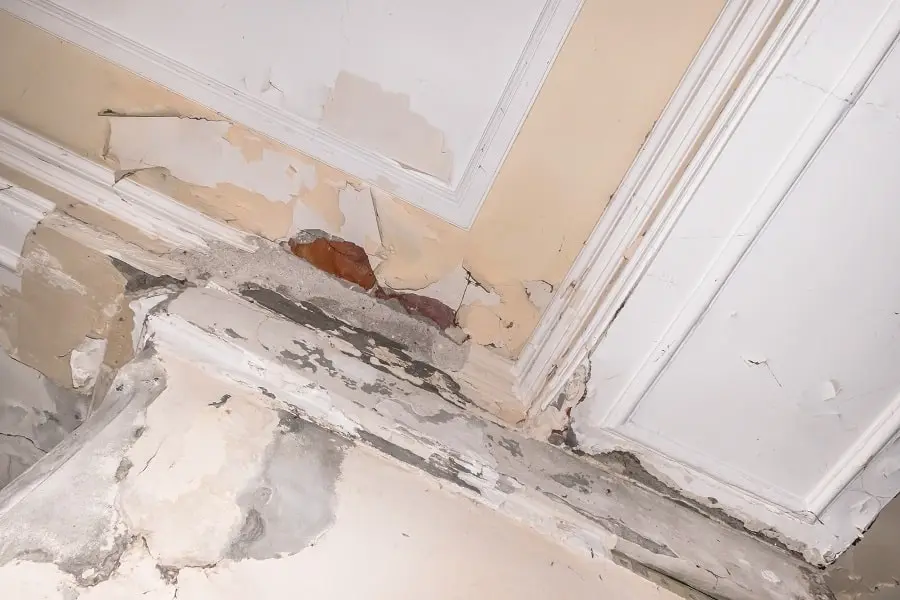
Warning signs often show up inside the home before the source is visible from the ground. Homeowners should watch for water stains, attic moisture, damp insulation, bubbling paint, musty smells, and active dripping.
Common warning signs include:
- Yellow, brown, or gray stains on ceilings
- Water spots on upper walls
- Bubbling or peeling paint
- Damp drywall
- Wet insulation in the attic
- Musty odors
- Mold or mildew concerns
- Dripping water during storms
- Sagging or soft ceiling areas
- Granules collecting in gutters
- Missing shingles or cracked roof tiles
- Daylight visible through attic roof boards
Do not climb onto a wet or storm-damaged roof to check the source yourself. Loose shingles, cracked tiles, soft decking, and hidden water damage can make the roof unsafe.
Why Roof Leaks Can Appear Far From the Damage
Water can appear far from the damaged area because it follows the path of least resistance. It may enter near a vent, skylight, valley, roof edge, or flashing detail, then travel along rafters, decking, insulation, or framing before staining the ceiling.
That is why patching the visible stain does not solve the underlying problem. The source may be several feet away from the interior damage. A roofer needs to inspect the roof surface, attic, and water path to identify where water is getting in.
Sometimes a ceiling stain near an air vent may also involve an AC condensation issue instead of a roof leak. If the stain appears during dry weather or stays close to HVAC vents, homeowners may need both the roof and HVAC system checked.
Roof Leak Detection: How Roofers Find the Source
Roof leak detection helps identify where water is entering the roof, not just where it appears inside the home.
Depending on the roof and the issue, the inspection may include:
- Checking missing, lifted, or damaged shingles
- Inspecting cracked or slipped roof tiles
- Looking at pipe boots, vent boots, skylights, and flashing
- Inspecting roof valleys, gutters, and drainage paths
- Checking flat roof seams, penetrations, and membrane areas
- Looking for attic moisture, wet insulation, stained rafters, or ceiling damage patterns
When a Roof Leak Needs Emergency Tarping
Emergency tarping may be needed when water is actively entering the home or exposed areas need temporary protection after storm damage.
A tarp may be needed when:
- Roofing materials are missing
- Decking is exposed
- Water is dripping into the home
- A tree limb or debris caused damage
- A flat roof membrane is torn or punctured
- Permanent repairs cannot be completed safely right away
A tarp does not replace permanent repair. It helps protect the home while the damage is inspected, documented, and repaired.
How to Prevent Roof Leaks in Tampa
Tampa homeowners can reduce the risk of water intrusion by keeping the roof, gutters, flashing, vents, and drainage areas in good condition. Preventive maintenance helps catch small issues before storms turn them into active intrusion.
Helpful prevention steps include:
- Schedule regular roof inspections
- Keep gutters, downspouts, and roof valleys clear
- Trim branches away from the roof
- Check for missing shingles or cracked tiles after storms
- Have pipe boots, vents, skylights, and flashing checked
- Watch for attic moisture, stains, or musty odors
- Address small ceiling stains early
- Repair known problem areas before hurricane season

Prevention cannot stop every roofing problem, but it can help homeowners catch cracked sealant, clogged drainage, loose materials, and attic moisture before the next storm makes the situation worse.
When to Call VNPS Roofing for Roof Leak Repair
Call VNPS Roofing when you see signs of a leaky roof, storm damage, missing roofing materials, ceiling stains, attic moisture, or active dripping. Waiting can allow water to spread into the attic, insulation, drywall, decking, and interior finishes.
VNPS Roofing provides roof repair services in Tampa for shingle, tile, metal, and flat roofing systems. Our team checks the roof system, explains the likely cause, and helps you understand whether the project requires repair, temporary protection, or roof replacement.
If you are comparing repair costs, you can also review our guide to roof repair cost in Tampa or our page on roof leak repair cost in Tampa.
FAQs About Roof Leaks in Tampa
What is the most common cause of roof leaks in Tampa?
Common causes include failing pipe boots, damaged flashing, missing shingles, cracked roof tiles, skylight seal problems, clogged gutters, roof valley debris, roof vent failures, flat roof membrane damage, worn underlayment, and age-related roof wear. Tampa heat, heavy rain, humidity, and storm winds can make these problems worse.
Why is my roof leaking when it rains hard?
Your roof may develop problems during hard rain because wind-driven water is entering through flashing, pipe boots, skylights, missing shingles, cracked tiles, valleys, vents, or flat roof seams. Heavy rain can expose weak spots that do not cause trouble during lighter weather.
How can I tell if I have a hidden roof leak?
You may have a hidden problem if you notice ceiling stains, musty odors, damp insulation, bubbling paint, peeling drywall, attic moisture, or stains around rafters. Water can travel before it appears, so the interior stain may not be directly below the roof damage.
Can clogged gutters cause roof leaks?
Yes. Clogged gutters can cause water to back up along the roof edge, fascia, soffit, or shingles. During heavy Tampa rain, blocked drainage can push water into areas that are supposed to stay dry.
Can a skylight leak be repaired?
Yes, many skylight leaks can be repaired when the issue is limited to flashing, sealant, gasket failure, or nearby roofing materials. A roofer should inspect the skylight and surrounding area to confirm whether repair or replacement is the better option.
Is a roof leak an emergency?
A roof leak can become an emergency when water is actively entering the home, the roof deck is exposed, roofing materials are missing, or storm damage leaves the home vulnerable to more water intrusion. In those cases, emergency tarping may be needed before permanent repairs.
Request Roof Leak Repair in Tampa
A small roof leak can turn into a larger problem when Tampa rain, humidity, and heat keep adding moisture to the roof system. VNPS Roofing can check the roof, explain the likely cause, and recommend the right next step.
VNPS Roofing is a licensed and insured Tampa roofing contractor and Service-Disabled Veteran-Owned Small Business.
Call VNPS Roofing at (813) 609-5596 or request a quote online for roof leak repair in Tampa.