
Roof Leak in Tampa? Do This Immediately to Prevent Damage
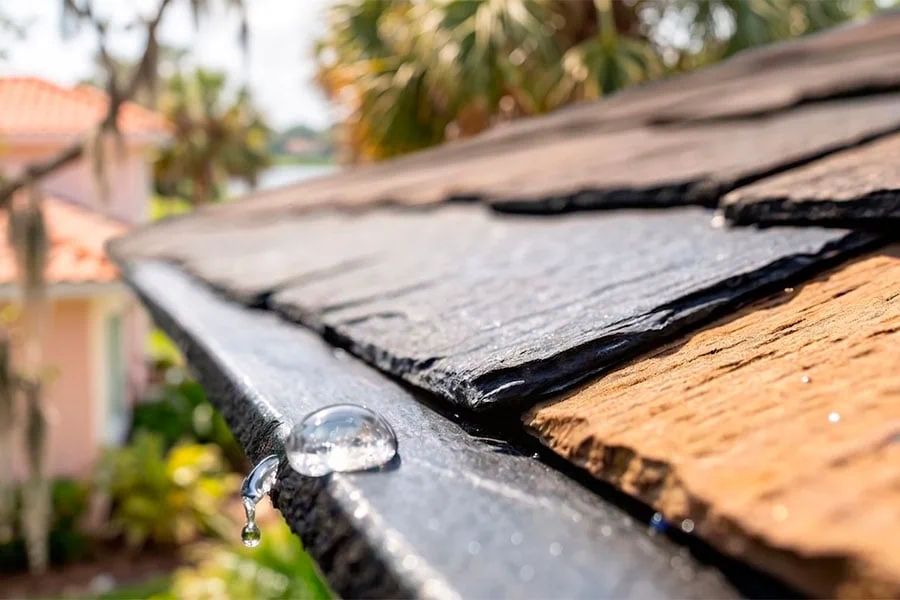
Rain is coming down hard, and suddenly you hear it.
Drip. Drip. Drip.
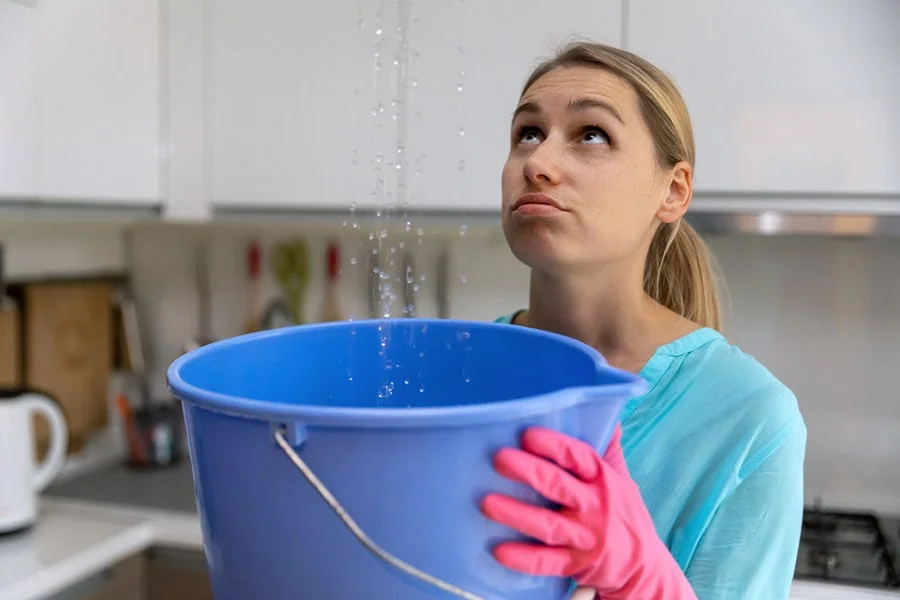
You look up and see water spreading across your ceiling or running down a wall. At that moment, nothing else matters. You’re thinking:
“How do I stop this right now?”
If your roof is leaking, fast action can limit water damage and reduce repair costs. In many cases, leaks require professional roof leak repair in Tampa to fully fix the problem and prevent it from spreading.
Quick Answer: What Should You Do If Your Roof Is Leaking?
If your roof is leaking in the Tampa Bay Area:
- Contain water immediately
- Protect furniture and valuables
- Shut off electricity if needed
- Use temporary protection if safe
- Contact a Tampa roofing professional
Waiting too long can lead to serious water damage, mold, and higher repair costs.
If water is actively entering your home, emergency roof tarping may be needed to prevent further interior damage.
What To Do in the First 10 Minutes
The first few minutes matter more than most people think.
Start here:
- Put buckets or containers under leaks
- Use towels to stop water from spreading
- Move electronics and furniture out of the area
- If the ceiling is bulging, carefully puncture it to release trapped water
- Turn off power if water is near outlets or lights
This step alone can prevent thousands in interior damage.
Immediate Safety & Damage Control
Once the initial leak is contained, focus on reducing risk and preventing further interior damage.
At this stage:
- Keep water contained and monitor for spread
- Do not walk on the roof, especially while surfaces are wet or unstable
- Stay out of attic spaces during active storms due to slip and electrical risk
- Watch for signs of sagging ceilings or growing stains
This phase is about stabilizing the situation, not fixing the roof.
Temporary Roof Leak Fixes (Short-Term Only)
If the storm has passed and it’s safe, you can take steps to slow water intrusion. The goal is not to fix the roof, but to reduce how much water enters your home until repairs can be completed.
Short-term options include:
- Placing a tarp over the damaged section to block direct rainfall
- Applying roofing tape or sealant to small, visible gaps
- Redirecting water flow away from the affected area if possible
In Tampa, these temporary fixes often fail due to wind-driven rain and sudden storms. That’s why professional roof repair in Tampa is usually needed for a lasting solution.
Temporary Fix vs Professional Repair
Here’s how temporary fixes compare to professional repair:
| Approach | What It Does | Limitations |
|---|---|---|
| DIY patch or sealant | Slows water entry temporarily | Often fails during storms |
| Tarp installation | Covers exposed areas | Not a permanent solution |
| Professional repair | Fixes the root cause | Requires inspection and scheduling |
When to STOP DIY
DIY fixes can make things worse if you’re not careful.
Do NOT attempt repairs if:
- The roof is steep, wet, or unstable
- The storm is still active
- You can’t find the source of the leak
- There is electrical risk
- You see sagging or soft spots
At this point, the risk shifts from property damage to personal injury and worsening roof failure.
It’s safer to call for a professional for roofing services.
Common Causes of Roof Leaks in Tampa Bay
Leaks are common in Tampa Bay roofing systems due to heat, storms, and humidity. These conditions break down materials over time and expose weak points quickly.
Some of the most common causes include:
- Wind-driven rain getting under shingles or roofing materials
- Damaged flashing around vents, chimneys, and valleys
- Clogged gutters backing up water onto the roof
- Worn or aging materials
- Poor installation or past repairs
Roof type also plays a major role in how leaks develop:
- Asphalt shingle roofs often leak when shingles lift, crack, or go missing
- Flat roof systems are prone to pooling water and membrane failure
- Metal roofing can leak around fasteners, seams, or penetrations
- Tile roofs may allow water intrusion if the underlayment is worn
In Tampa, flashing issues are especially common, as heat and heavy rain cause materials to expand, contract, and break down over time. Learn more about when roof flashing should be replaced in Tampa.
Florida storms don’t just hit roofs from above. Wind pushes rain sideways, which exposes vulnerable areas fast—especially on older or compromised systems.
Knowing your roof type and these common failure points can help you narrow down the source of a leak more quickly.
How to Identify Where the Leak Is Coming From
Check these areas:
- Attic for water trails or damp decking
- Insulation for wet spots
- Ceiling stains that spread outward
- Areas near vents or skylights
Important: The leak you see is often NOT where it starts. Water can travel before it becomes visible. Reviewing common roof leak causes in Tampa can help you narrow it down.
If you’re unsure, a professional roof inspection is the best way to find the true source.
Is a Roof Leak an Emergency?
In many cases, yes.
Treat is as an emergency if:
- Water is actively entering your home
- The problem started during a storm
- The ceiling is bulging
- Electrical risk is present
These situations require immediate attention to prevent serious water damage and costly repairs.
When Emergency Roof Tarping Is Needed
Emergency tarping is used when your roof can’t be fixed right away.
You may need it if:
- Shingles or roofing materials are missing
- Storm damage has created openings in the roof system
- Water is entering during rain
- Repairs must wait for better weather
A properly installed tarp must be:
- Secure against strong wind
- Cover the full damaged area
- Installed to keep water from getting underneath
If your roof is exposed or actively leaking, here’s what to expect from emergency roof tarping in Tampa.
What Happens If You Wait
Delaying repairs can get expensive fast. Even a small leak in Tampa can quickly lead to:
| Issue | What Happens |
|---|---|
| Roof Decking | Begins to rot and weaken |
| Mold Growth | Can start within 24–48 hours |
| Insulation | Absorbs moisture and loses effectiveness |
| Interior Damage | Stains, drywall damage, and paint issues |
In Tampa’s climate, moisture spreads quickly through building materials and is difficult to fully dry once it sets in. See how delays can impact overall roof repair costs in Tampa before the damage spreads further.
When to Call a Roofing Professional
Temporary fixes only go so far. Most issues require professional roof leak repair Tampa to fully resolve the problem.
Call a roofer if:
- The problem continues after temporary fixes
- You can’t identify the source
- The issue started after a storm
- Water is spreading or worsening
- You cannot safely access the roof
Most repeat leaks happen when only the visible problem is addressed. A professional inspection identifies the true entry point, which may be in a different area than where the water appears.
What a Roofer Will Check During Inspection
A proper roof inspection checks the entire system, not just the leak.
Roofers will look at:
- Shingle or roofing material condition
- Flashing around vents, chimneys, and valleys
- Roof decking for hidden moisture damage
- Attic ventilation and trapped humidity
- Drainage systems and gutter performance
In Tampa Bay roofing, inspections also account for wind-driven rain, which can push water into areas that appear intact from the surface.
Identifying the true entry point matters more than sealing where the water shows up.
Poor drainage is also a common contributor. When gutters or water flow systems fail, rain can back up under roofing materials and create leaks even without visible damage.
Will Insurance Cover a Roof Leak in Tampa?
It depends on the cause of the damage.
Most homeowners’ insurance policies cover sudden and accidental events, but not long-term deterioration.
Usually covered:
- Storm damage
- Wind lifting roofing materials
- Falling debris
Usually not covered:
- Wear and tear from aging materials
- Poor maintenance
- Leaks that develop gradually over time
In Tampa, many claims are tied to storm-related damage, especially during hurricane season. However, coverage often depends on how quickly the issue is reported and documented.
Document damage as early as possible with photos and notes. This can help support your claim and establish that the issue was caused by a covered event.
Frequently Asked Questions
Is a leaking roof an emergency?
In many cases, yes. In Tampa, heavy rain and wind-driven storms can push water into your home quickly, even through small openings. What starts as a minor leak can lead to structural issues, mold growth, and electrical hazards within hours if not addressed.
Can I stay in my house if my roof is leaking?
Usually yes, but you should avoid affected areas and watch for electrical risks. If water is near outlets, light fixtures, or your electrical panel, it’s safest to shut off power to that area and limit movement until the situation is contained.
How much impact can a small leak cause?
More than most homeowners expect. In Tampa’s humid climate, moisture can spread quickly and lead to mold growth within 24–48 hours. Even a small leak can affect insulation, drywall, and structural components if it’s left unchecked.
Should I tarp my roof myself?
Only if it’s safe to do so. Wet roofs can be slippery, and improper tarp placement often fails during wind or storms. In many cases, professional Tampa roof repair services are safer and more reliable, especially when the source of the leak isn’t clearly visible.
Don’t Ignore a Roof Leak in Tampa
Tampa weather doesn’t give you much time. Once water gets inside, the problem can spread quickly and become more expensive to fix.
If your roof is leaking, the safest next step is a professional inspection to find the true source and stop it from getting worse.
If you need roof repair in Tampa, FL or emergency roof tarping services, now is the time to act.
About the Author
This content was written by VNPS Roofing, a Tampa-based roofing company serving Hillsborough County and surrounding areas. The team brings 40+ years of combined roofing experience and specializes in storm damage, leak repair, and emergency response.
All content is reviewed for accuracy based on real-world roofing conditions in Tampa, FL.