Skip to content

Your Trusted Tampa Roofing Company

VNPS Roofing Tampa - Roof Repair & Roofing Contractors in Tampa Bay

Emergency Roof Tarping in Tampa: When You Need It and What It Costs

May 12, 2026
Share On:
Emergency Roof Tarping in Tampa: When You Need It and What It Costs

After a Tampa storm, roof damage doesn’t always show up right away. Sometimes, you notice it hours later, when water starts dripping inside your home. At that point, you’re not wondering if something is wrong. You’re thinking:

“How do I stop this before it gets worse?”

That’s where emergency roof tarping comes in. It acts as a temporary barrier when your home is at risk.

If your roof has visible damage after a storm, learn how storm damage roof repair in Tampa can stop the problem before it gets worse.

Quick Answer: When Do You Need Emergency Roof Tarping?

You may need this service in Tampa if:

  • Your roof is exposed after a storm
  • Water is getting inside your home
  • Roofing materials are missing or damaged
  • Repairs cannot be done right away

This kind of storm damage protection helps reduce further damage until permanent repairs are completed.

If your roof is already leaking, here’s what to do immediately: roof leak repair in Tampa and next steps

What Is Emergency Roof Tarping?

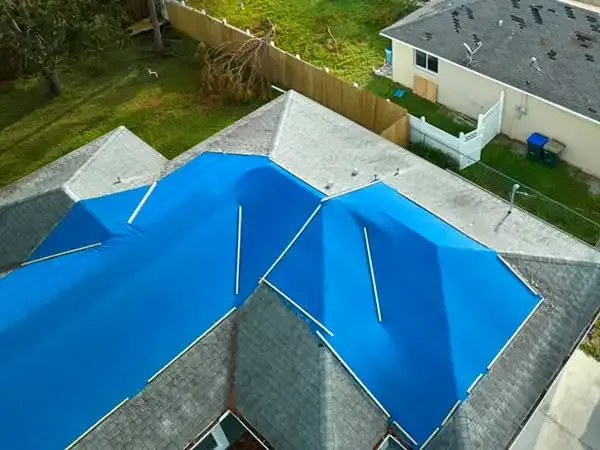
Emergency roof tarping is a temporary solution that covers damaged areas of your roof to stop water intrusion until permanent repairs can be completed.

It works by securing a durable, waterproof barrier over exposed sections to protect your home from further issues until you can get a roofer in for emergency roof repair.

When Roof Tarping Is Needed in Tampa

A storm in Tampa can cause existing issues to get worse very quickly. Once your roof is exposed, water can move into your home fast—often spreading into insulation, ceilings, and walls within hours.

In this climate, a small opening is rarely “small.” What starts as a small problem can quickly lead to structural issues or mold if it’s not addressed right away.

You may need emergency roof tarping when your roof is exposed or actively letting water in.

Common situations include:

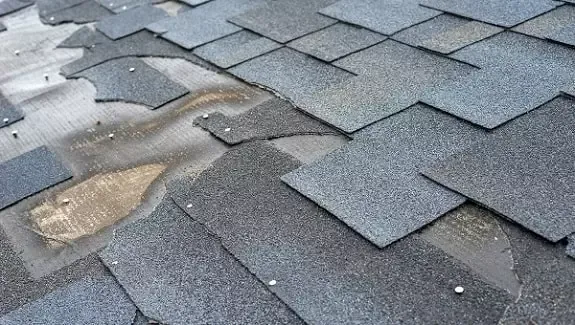
  • Missing or lifted shingles after high winds
  • Exposed roof decking where materials have been torn away
  • Damage from fallen tree limbs or flying debris
  • Broken flashing around vents, chimneys, or roof edges
  • Water actively entering your home during or after rain

If ignored, these issues can lead to larger structural problems or even full roofing system failure—and in some cases, a full roof replacement in Tampa may be required instead of a simple repair.

How Fast Does Emergency Tarping Happen?

Most emergency roof tarping jobs are completed as soon as conditions are safe—often within 24 hours.

Timing depends on:

  • Weather conditions and ongoing storms
  • Roof safety and accessibility
  • Severity of the damage
  • Demand after major storm events

After large storms in Tampa, response times can vary. Homes with active leaks, exposed decking, or significant structural risk are typically prioritized first.

If demand is high, some homeowners may experience delays, which makes acting early especially important.

How Much Does Emergency Roof Tarping Cost in Tampa?

Emergency roof tarping in Tampa typically costs $300 to $1,500+, depending on the size and difficulty of the work.

Typical Cost Breakdown

| Job Type | Description | Estimated Cost | | Small / Minor | Limited damage, easy access, single cover | $300 – $600 | | Standard | Moderate damage on a typical residential roof | $600 – $1,000 | | Large / Complex | Multiple areas, steep or multi-story roof, difficult access | $1,000 – $1,500+ |

For accurate pricing based on your situation, request a free estimate for roof repair in Tampa.

Other factors that can affect cost include:

  • Roof type (shingle, tile, flat)
  • Extent of storm damage
  • Urgency
  • Safety and labor conditions

Note: Emergency service after major storms may cost more due to demand and risk.

The key takeaway: This service costs far less than fixing more extensive water damage inside your home.

For a deeper breakdown of pricing across different repair scenarios, see roof repair costs in Tampa

Will Insurance Cover Emergency Roof Tarping?

In many cases, yes—especially when it helps prevent further destruction of property after a storm.

Coverage typically applies when damage is sudden and weather-related, and tarping helps limit further loss.

It may be covered when:

  • The damage is caused by wind, hail, or a storm event
  • Tarping is needed to stop active water intrusion
  • The goal is to prevent further structural or interior damage

Most policies require homeowners to take reasonable steps to reduce additional damage. Emergency tarping is often considered part of that responsibility, not an optional service.

Be sure to document everything. Take clear photos before and after tarping, keep receipts, and save any inspection notes to support your claim.

Can You Tarp a Roof Yourself?

You can—but it’s not as simple as it sounds. Wet surfaces, loose materials, and hidden structural damage can make it unsafe without proper equipment and experience.

To be effective, a tarp must be:

  • Secured tightly to prevent wind from lifting it
  • Positioned correctly to cover all vulnerable areas
  • Anchored in a way that won’t cause additional roof damage

For most homeowners, the challenge isn’t just putting a tarp on—it’s installing it correctly so it actually holds through Florida weather.

In many cases, it’s safer and more reliable to have a professional handle the tarping to avoid injury and prevent the problem from getting worse.

When DIY Tarping Goes Wrong

Problems happen when the cover is not installed correctly.

Common failures include:

  • Tarps lifting or tearing in the wind
  • Water getting underneath due to gaps or poor sealing
  • Missing the actual damaged area
  • Fastening mistakes that cause more roof damage

If it fails, water is already getting inside by the time you notice.

What Happens After Roof Tarping?

Once your home is protected, the focus shifts to identifying and fixing the root problem.

Next steps typically include:

  • A full roof inspection to assess visible and hidden issues
  • Identifying the exact source of the leak or failure point
  • Checking for trapped moisture inside the roof system or attic
  • Reviewing repair or replacement options based on the condition

In many cases, the protective covering stays in place until materials and scheduling allow for permanent repairs. The goal is to stabilize your home first, then move forward with a long-term solution.

Temporary Protection vs Permanent Repair

It’s important to understand the difference:

Emergency Tarping

  • Short-term protection
  • Helps limit further damage
  • Used immediately after a storm

Roof Repair

  • Long-term solution
  • Fixes the root cause of the issue
  • Restores full protection

This service buys time. Repairs solve the problem.

When to Call for Emergency Tarping Immediately

Don’t wait if your roof is exposed or water is actively entering your home. These situations can escalate quickly, especially during ongoing storms.

Call for emergency tarping if:

  • Water is entering your home or dripping from ceilings
  • Roofing materials are missing, lifted, or blown off
  • The leak started during a storm or gets worse during rain
  • You see ceiling bulging, staining, or spreading moisture
  • Interior walls or insulation feel damp or soft to the touch

In Tampa’s weather, these issues can worsen within hours. Water can spread beyond the visible leak, leading to hidden problems inside your roof system, attic, and walls.

Acting immediately helps contain the problem and reduces the risk of structural issues, mold growth, and more expensive repairs.

Frequently Asked Questions

How long can a roof tarp last?

A properly installed tarp can last anywhere from a few days to a few weeks, depending on weather conditions. In Tampa, intense sun, humidity, and repeated storms can weaken the material and loosen fasteners faster than expected. It’s a short-term barrier, not a permanent fix, so repairs should be scheduled as soon as possible.

Is roof tarping worth it?

Yes. Tarping is one of the fastest ways to limit interior issues after a leak or storm event. It helps protect insulation, ceilings, electrical components, and framing from water intrusion. Acting early can reduce repair costs and lower the risk of mold growth.

Do I need tarping if the leak is small?

Yes. Even a small opening can allow wind-driven rain to spread water beyond the visible entry point and into areas like the attic or walls. What starts as a minor leak can quickly lead to larger structural concerns if it’s left exposed.

Will tarping stop a roof leak completely?

Tarping can reduce or temporarily stop active water intrusion when installed correctly, but it does not address the underlying issue. Damaged shingles, flashing, or decking still need to be repaired or replaced to restore full protection.

Don’t Wait—Stabilize Your Roof After Storm Damage

After a storm, roof issues rarely stay contained—they spread quickly.

If your roof is exposed or leaking:

  • Water can move into insulation, ceilings, and walls
  • Structural components can begin to weaken
  • Moisture buildup can lead to mold in hidden areas
  • Repair costs increase as the problem spreads

Emergency roof tarping helps stop further water intrusion while you plan repairs. It acts as a temporary barrier that covers exposed areas, protects interior spaces, and buys time to safely assess the full extent of the issue.

Learn more about emergency roof tarping services in Tampa, or call (813) 609-5596 to get your roof covered as soon as possible.

Taking action early helps limit damage, keeps repair costs under control, and gives you more options before problems escalate.

About the Author

This content was written by Veterans National Property Services, a Tampa-based roofing company serving Hillsborough County and surrounding areas. The team brings 40+ years of combined roofing experience and specializes in storm damage response, roof repair, and emergency tarping.

All content is based on real-world roofing conditions and updated for accuracy.

Share On: